
Pain on top of the foot is often caused by exercise, especially running, kicking or jumping, or by shoes and laces that are too tight. It usually settles within a few weeks, but it can sometimes be a sign of something more serious, such as a broken bone, so it's worth knowing which signs need urgent attention.
| Pain on Top of the Foot at a Glance | The Short Answer |
|---|---|
| Common causes | Overuse from exercise, tight shoes or laces, irritated tendons along the top of the foot, a sprain or strain |
| How long it lasts | Often a few weeks. Tendon pain can take up to 3 months, and sometimes up to a year |
| What helps first | Rest, ice, roomier shoes, laces that are snug but not tight, and stopping what sets it off |
| Get urgent help if | The pain is severe, you can't walk, the foot has changed shape, or it's hot and swollen |
| See a GP or podiatrist if | No better after 2 weeks of home care, any tingling or loss of feeling, or you have diabetes |
Why Does the Top of My Foot Hurt?
The top of the foot holds tendons, nerves and small bones close to the surface, so tight shoes, repeated exercise or an injury can all show up there. The clues in the table below can point towards the cause, though they only narrow it down.
| Clue | What It Might Point To |
|---|---|
| Aching that builds after running, kicking or jumping | Overuse, a sprain or strain, or irritated tendons |
| Pain where shoes or laces press | Tight footwear |
| Pain when you press the top of the foot or point your toes down | Irritated tendons along the top of the foot |
| Severe pain, swelling, bruising and trouble moving after a knock or fall | A possible broken bone |
| Red, hot, swollen skin and sudden severe pain, often near the big toe | Gout |
| Tingling, numbness or pain that runs up the back of the leg | Sciatica, a nerve problem |
| Long-lasting pain and stiffness, a grating feeling or a lump along a tendon | Tendonitis or osteoarthritis |
Many of these overlap, and it's best not to diagnose the cause yourself. That's why an assessment helps when the pain doesn't settle.
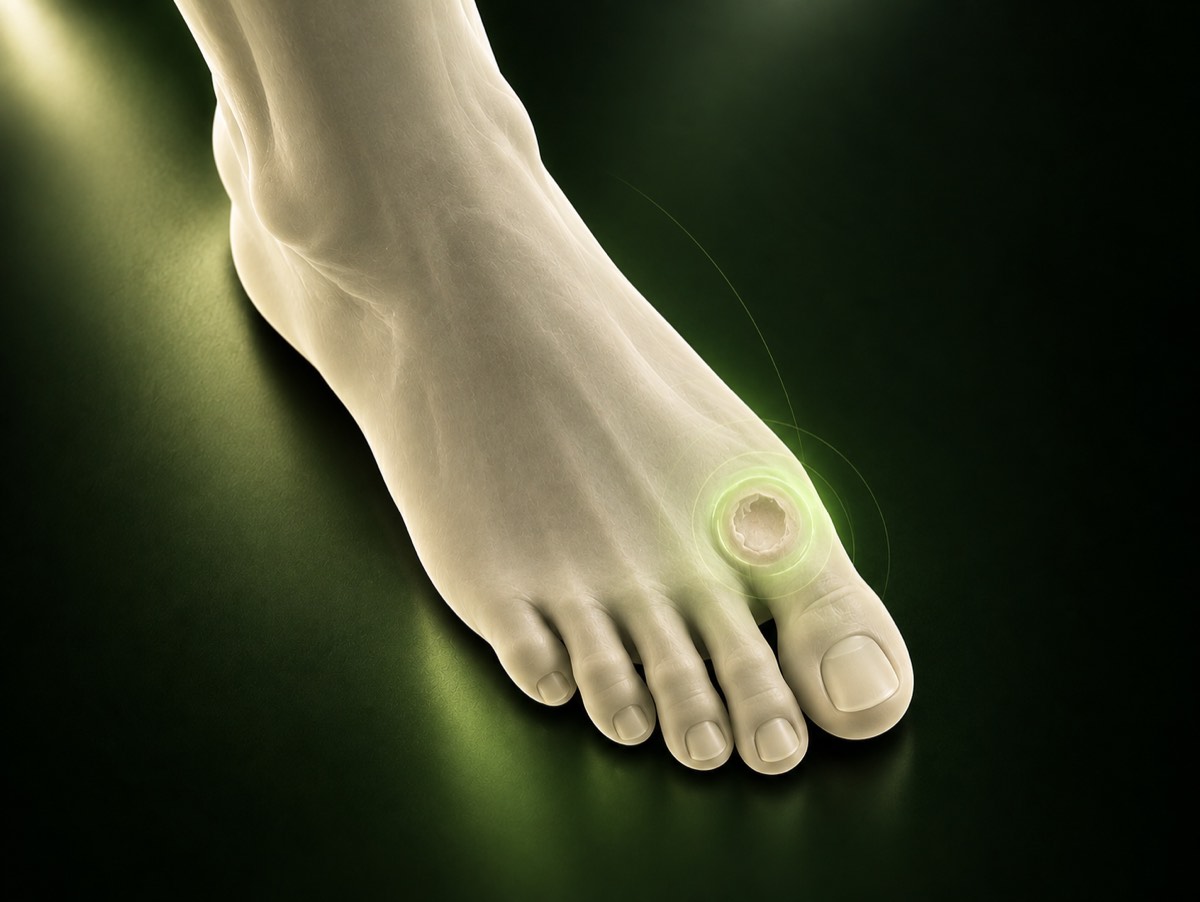
When Should You Get Urgent Help for Pain on Top of the Foot?
Call NHS 111 if the pain is severe, you can't walk, or the foot has changed shape or is hot and swollen. Call too if you heard a snap or a pop when you were hurt, if you feel faint or sick from the pain, or if you have a very high temperature. If you think you've broken a bone, don't treat it yourself.
See a GP if the pain stops you doing normal things, if it's getting worse or keeps coming back, if it hasn't improved after 2 weeks of home care, or if you have tingling or loss of feeling in the foot. Foot problems can be more serious with diabetes, so get advice promptly if you have it.
What Causes Pain on the Top of the Foot?
Each cause below has its own signs.
Tight Shoes and Laces as a Cause of Pain on Top of the Foot
Shoes that are too tight, and laces pulled hard across the top of the foot, press on the tendons that run there. Shoes with plenty of room, a low heel and a soft sole usually help, and laces should be tied correctly and not too tight. Hard, flat or unsupportive shoes can make the pain worse.
Overuse and Extensor Tendonitis as Causes of Top of Foot Pain
The extensor tendons run along the top of the foot and lift it so it clears the ground when you walk. When they're overworked they can become painful and swollen, with an ache at the top of the foot or the front of the ankle that increases with activity. A sudden increase in standing, walking or running, tight or weak muscles in the foot and leg, poorly fitting shoes, and too little recovery can all contribute. It tends to be slow. Most people improve within 3 months of following advice and some take up to a year, and flare-ups are normal, with most settling within 6 weeks.
Sprains and Strains as Causes of Pain on Top of the Foot
A sprain or strain brings pain, swelling and bruising, usually after intense or repetitive exercise. If a twist or knock leaves the foot sore, swollen or hard to move, a fracture is the first thing to rule out.
Fractures as a Cause of Pain on Top of the Foot
A broken bone causes severe pain, swelling, bruising and limited movement. Don't treat a suspected break yourself. Our foot and ankle fractures page covers fractures, including stress fractures.
Gout and Arthritis as Causes of Pain on Top of the Foot
Gout causes sudden, severe pain, with red, hot, swollen skin that hurts when anything touches it, usually starting near the base of the big toe. Long-lasting pain and stiffness, a grating or crackling feeling when the foot moves, or a lump along a tendon can point to tendonitis or osteoarthritis, and our page on joint arthritis covers the foot joints.
Sciatica and Nerve Pain as Causes of Top of Foot Pain
Tingling, numbness or pain in the upper foot that stretches up the back of the leg can come from sciatica, where the problem lies in the back or leg and not in the foot. That needs a GP assessment.
How to Ease Pain on the Top of the Foot at Home
Rest the foot and raise it when you can. Hold an ice pack, or a bag of frozen peas wrapped in a towel, on the sore area for up to 20 minutes every 2 to 3 hours, and stop any activity you think is causing the pain. Avoid long spells of walking or standing while it's sore.
Wear shoes with plenty of room, a low heel and a soft sole, with soft insoles or pads if they help. Tie laces so they're snug but not tight across the top of the foot, and changing how you lace them can take pressure off the sore spot. Gentle stretching of the foot and ankle can help as it eases, and paracetamol or ibuprofen gel can take the edge off the pain. Ibuprofen tablets aren't suitable for everyone, so ask a pharmacist if you're unsure. Most simple cases improve within a few weeks.
Why Does the Top of My Foot Hurt When Running or Walking?
Running and walking load the tendons on top of the foot every time the foot lifts. Pain tends to appear after a sudden increase in running or walking, in shoes that are too flat or too tight, with tight calves, or when recovery between sessions is short. If pressing the top of the foot or pointing your toes down hurts, irritated tendons are a likely suspect.
Cutting back what sets it off, building up gradually and checking your shoes and laces are sensible first steps. If it keeps coming back, sports podiatry at our clinic includes assessing how you stand and walk, because the way the foot and lower leg move can add to the load on these tendons.
How Do Podiatrists Treat Pain on the Top of the Foot?
A podiatrist starts with your story: what sets the pain off, what you do in a normal week, and which shoes and lacing you use. They then examine the foot and ankle and watch how you stand and walk. At our Dorking clinic an ultrasound scan can look at the tendons and other soft tissue when the cause isn't clear.
Treatment depends on the cause. It can include advice on footwear, lacing and training, custom orthotics where they suit, and a rehabilitation plan for an overuse problem. If a break is possible, we'll say so and point you to the right care. You don't need a GP referral to book, and the appointment guide helps you pick the right appointment.
What About a Lump or Swelling on the Top of the Foot?
Swelling can come with a broken bone or with gout, and a lump along a tendon can point to tendonitis or osteoarthritis, so a new lump that hurts is worth having looked at. If you have a hard bump near the big toe, our post on conditions people mistake for a bunion explains what else it can be. Pain under the front of the foot, between the toes, is a different problem, and our post on Morton's neuroma covers it.
Where This Pain on Top of the Foot Guidance Comes From
This article draws on the NHS guidance on pain in the top of the foot (reviewed October 2025), NHS Lanarkshire's information on extensor tendinopathy and its footwear advice, and the Physio.co.uk page on extensor tendinopathy. We describe what these sources say and what we offer at the clinic, and we don't promise results.
How to Get Pain on Top of the Foot Checked at Our Dorking Clinic
An appointment covers your history, an examination of the foot and ankle, a look at your shoes and lacing and, where it helps, how you stand and walk. If the cause is unclear we can use an ultrasound scan. From there we talk through the options, which can include footwear and lacing changes, custom orthotics, a rehabilitation plan, and advice on getting back to running or walking safely.
You'll get a plain explanation of what we find and what we'd suggest first. Sometimes a few changes to your shoes and activity are enough, and sometimes the pain needs more than that. We'll tell you which we think applies to you, and we won't push treatment you don't need.
There's no pressure and no commitment, and you don't need a referral. To book, call 01306 883 332 or contact us, and we'll tell you the fee for your first appointment when you call. The clinic is at the Medwyn Centre in Dorking, with parking on site, and our Redhill and Reigate pages explain how to get here. You can also meet the team to see who'll look after you.
Frequently asked questions.
Is Pain on Top of the Foot Serious?
Usually not, and it often settles within a few weeks. It can sometimes signal a broken bone, gout or a nerve problem, though, so act quickly if the pain is severe, you can't walk, the foot looks a different shape or it's hot and swollen. If it hasn't improved after 2 weeks of home care, get it checked.
Why Does the Top of My Foot Hurt When I Walk?
Common reasons are shoes or laces that are too tight and overworked tendons along the top of the foot, which lift it each time you take a step. A recent increase in walking, running or standing, tight calves and flat, unsupportive shoes can all add to it. Pressing the top of the foot or pointing your toes down often makes tendon pain worse.
Can Tight Shoes Cause Pain on the Top of the Foot?
Yes. Shoes that are too tight and laces pulled hard across the foot press on the tendons on top, and they can make existing pain worse. Choose shoes with plenty of room, a low heel and a soft sole, tie the laces correctly and not too tight, and avoid hard, flat shoes while it settles.
What Causes Sudden Pain on Top of the Foot Without an Injury?
Several things can bring on pain without a single injury. Gout can cause sudden, severe pain with red, hot, swollen skin, usually near the base of the big toe. Tight shoes and laces, or tendons overworked by a recent rise in activity, can build up until the foot suddenly hurts, and a nerve problem such as sciatica can cause pain or tingling in the upper foot. Get urgent help if the pain is severe, you can't walk or the foot is hot and swollen.
Why Does Pain on Top of the Foot Come and Go?
Tendon pain often flares and settles, and flare-ups are normal, with most settling within 6 weeks. It can also come and go with the shoes you wear, how tightly you tie the laces and how much you've walked or run that week. If it keeps coming back, or hasn't improved after 2 weeks of home care, get it checked so the cause can be found.
How Long Does Pain on Top of the Foot Last?
Many cases improve within a few weeks. Tendon pain is slower, with most people improving within 3 months of following advice and some taking up to a year. If there's no improvement after 2 weeks of home care, see a GP, and for tendon pain that hasn't eased after 6 to 12 weeks, ask for a further assessment.